


 Canada
 Global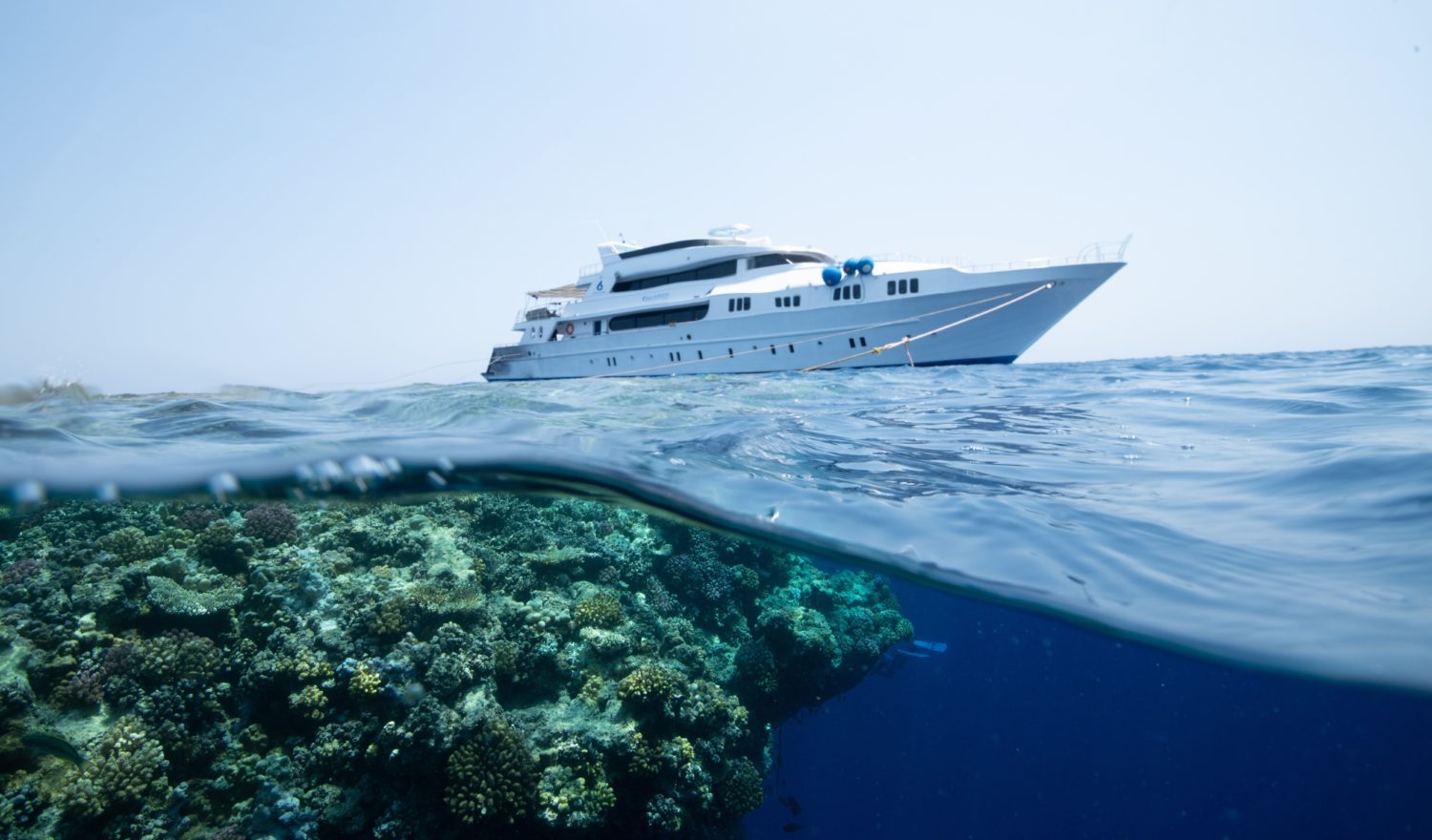
Few experiences offer the same sense of adventure as a liveaboard dive trip. Seclusion, pristine diving and too-good-to-be-true conditions can turn a liveaboard into a top lifetime experience very quickly.
But like most things in life, you get what you pay for. Outfitters run the gamut, and it always pays to do your research. Are you a backpacker—or a baller? Vet your chosen liveaboard operator and make sure the promised experience is aligned with your desired level of comfort and amenity. Accommodations can vary greatly.
By no means exhaustive, the following list highlights some of the world’s top liveaboard diving meccas for you to check out if you’re ready to take the plunge.
Best Liveaboard Diving Destinations
1) Belize
If wall diving is your jam, few spots beat out Belize. Its huge diversity and deep bench of elite outfitters make it one of the top luxury diving destinations in the world. Jacques Cousteau himself declared Belize’s Blue Hole as one of the top 10 dive sites in the world. But favorites aside, there are many dynamic and immaculate sites to choose from, a few of the top ones being Quebrada, Half Moon Caye Wall Painted Wall.
Many outfitters offer last-minute deals, so don’t be afraid to hold out on booking until the two-month time window.
2) Raja Ampat
Access to Raja Ampat can be a challenge, but it’s also that out-of-the-way geography that makes it one of the top incubators for marine biodiversity on the planet. Many dive resorts offer sustainability-focused eco-diving experiences that aim to minimize the growing impacts of tourism to the area.
Dozens and dozens of small isles dot the landscape, providing sanctuary to pristine marine ecosystems. It’s undeveloped aesthetic, plus a large rolodex of tropical fish, micro and macro, make it a top bucket-list contender for any adventurous diver.
3) Tubbataha
Just west of the Phillippine archipelago and at the dead center of the Sulu Sea is hard-to-reach Tubbataha. The area was designated a UNESCO World Heritage site in 1993 and, as it’s completely out of reach of day-trippers, it plays host to some truly enormous schools and tons of bigger species.
Topographically, Tubatahha forms a large undersea mountain that gradually falls away with depth and distance. This mountain-diving dynamic and an average visibility in the 20-30 meter range collectively conspire to make Tubbataha one of the top liveaboard options in Southeast Asia.
4) Galapagos
A liveaboard to the famed waters of Galapagos offers divers the chance to get underwater with a huge array of marine species big and small, including hammerheads, sea lions, massive schools of tuna and other exotics. The whole area is part of a marine sanctuary that Ecuador created in 2016 to protect shark species. A byproduct of the eco-protections has been a massive resurgence in marine health over the past few years. In total, 32% of the waters around Galapagos are protected.
Many dive cruises also offer excursions into land-based Galapagos National Park, where you can observe rare terrestrial species and compare notes with Charles Darwin.
5) Red Sea
Accessible via the countries of Djibouti, Sudan, Egypt and Oman, the Red Sea is a tropical wreck divers dream world. Many of its iconic wreck dives—such as the SS Thistlegorm—hail from cataclysmic battles fought during World War II, offering in-decay war relics and huge battlements.
Egypt is consistently the tourist favorite, but world-class wreck-and-reef diving is scattered all across the Red Sea, so for smaller crowds and potentially cheaper prices, try looking into outfitters in Oman, Sudan or Djibouti—which enjoys whale-shark populations for much of the year.
6) Komodo
Famous for its scary Komodo Dragons, the island of Komodo hosts Komodo National Park, where shrubby, barren hills are home to over 4,000 specimens of the protected reptilian species. Less well known than the namesake lizards, perhaps, is that Komodo also boast some of the best marine biodiversity on the planet and is famous for encounters with large pelagics such as mantas and whale sharks.
Komodo Island is but a part of the Lesser Sunda Island chain, which includes many smaller islets that hold a wide variety of sublime dive sites. Plankton-rich waters well up from the surrounding deeper ocean, creating a fertile ground for feeding and ecosystem health.