Canada
 Global
Cold Water Regulators
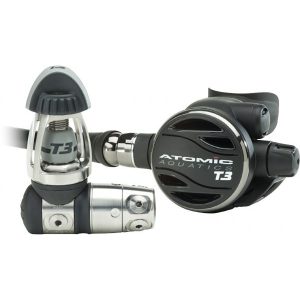
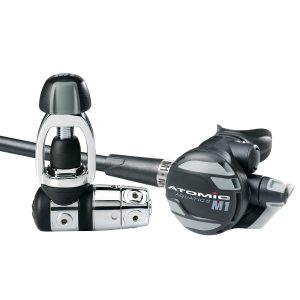
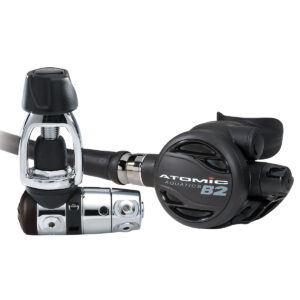
When diving in cold waters, it’s critical to have equipment designed to operate in such extreme conditions. Along with a thicker wetsuit or drysuit, thicker gloves, boots, and hoods, you’ll want to invest in cold water diving regulators. After all, it is through the regulators that we are able to breathe underwater. A certified cold water regulator of excellent quality will not freeze as quickly.
Let’s take a closer look at the differences between the best cold water regulators and regular ones.
Cold Water Diving Regulators vs. Other Regulators
Here’s a look at how cold water diving regulators measure up to other options.
They Can Work in Warm Waters Too
A dive in temperatures below 60ºF is typically considered cold water diving. This means cold-certified regulators are built to withstand water temps that are much lower than that. However, there’s nothing stopping you from using them in warm waters. The same can’t be said for warm-water regulators in cold water dives.
They Have Environmental Seals
Unlike ordinary regulators, cold water diving regulators typically have environmental seals. These are protective casings that keep the freezing water and contaminants out of the regulator’s internal parts. The seal itself also acts as insulation against the cold, further preventing the regulator from freezing up inside.
They’re Typically Balanced Regulators
Diving in cold temperatures can make you consume more oxygen than usual as your body works harder to warm up. However, this can also mean that your tank could run empty prematurely. To avoid this, cold water regulators are usually balanced types. Balanced regulators provide the same amount of air per breath until the tank runs out. An unbalanced regulator would provide less air as your tank’s supply runs low.